CIqSi
Your AI Can't Check Anything You Tell It. Here's How Guardrails Work
A model remembers nothing between sessions and cannot verify a word you say. The published rulebooks say more than the behavior does, and most workarounds are boring.
Cross-cutting ideas and long-horizon thinking
RSS feed for this topic A model remembers nothing between sessions and cannot verify a word you say. The published rulebooks say more than the behavior does, and most workarounds are boring.
A model cannot verify what you tell it, and its maker says the person who supplies false context carries at least part of the blame. The lie costs nothing. The output goes somewhere.
A concession that changes nothing costs the conceder nothing, and the cost lands on the person on the other side. A cautionary tale about faceless decisions, from a degree title to an immigration office.
A stream of tokens is speech produced faster, and the rules belong where the words are wired to something. Then there is the apocalypse that is about money.
A large language model only ever produces text. Treating that text as a novel ethical category, rather than as speech, is where the argument goes wrong.
Four things to write down before you hand a job to an AI agent: what comes in, the rules, the action, and how you will check the work.
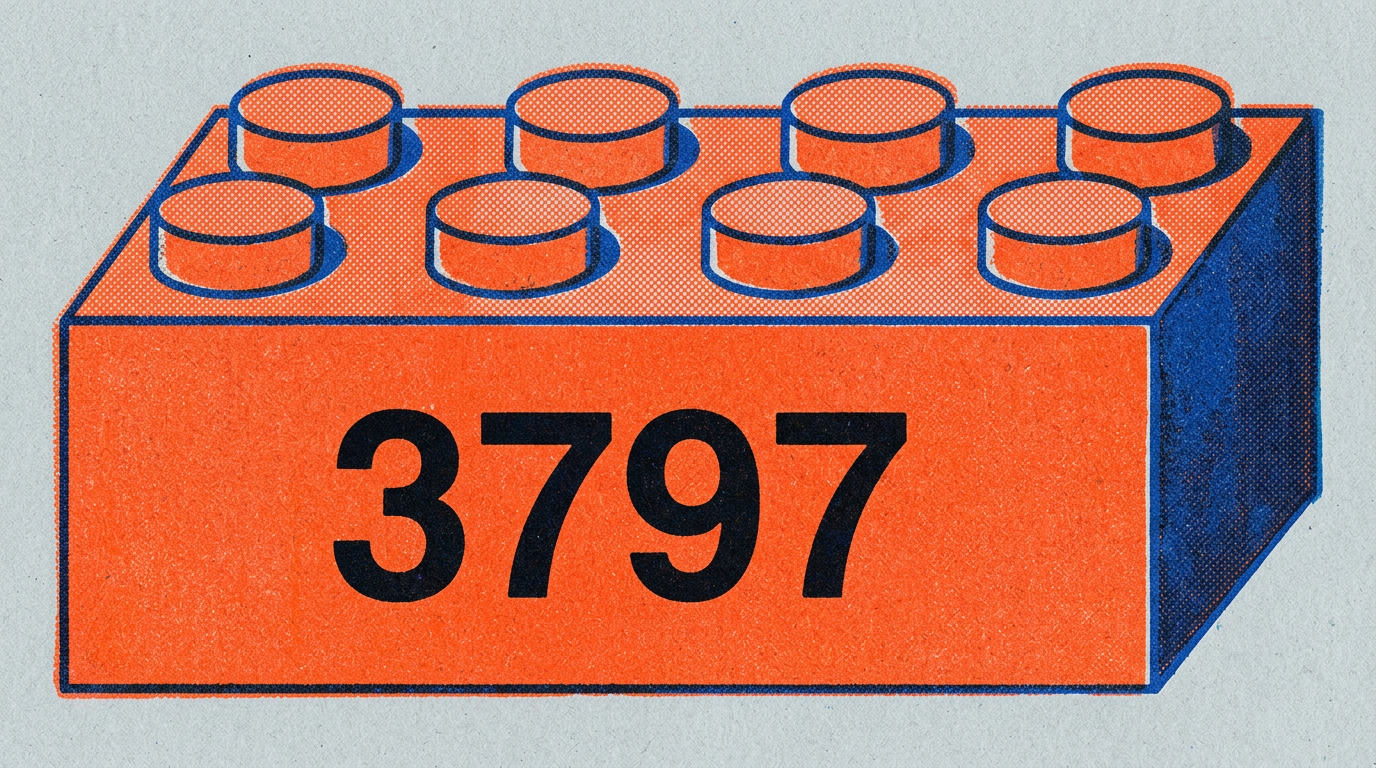
A token is a LEGO brick with a number on it, and almost none of the math that moves it is new.
Sixty years of fictional and real conversational machines, and one throughline: the dystopian version is always easier to imagine than the protopian one, and that says more about us than about the machines.

Cut one small religion from a model's training data and you leave a gap no one can see from inside. Cut the two biggest and you change what the model can explain at all.
Hurricane forecasts improved for decades and never became perfect. Chaos and quantum uncertainty cap any predictor, so AI quality levels off while use keeps spreading.
A Polish psychiatrist named the process by which conscienceless people capture institutions. AI agents fit the profile — and alignment is separation of powers.

More GPUs will not wake a language model up. A map cannot feel rain, and a mirror has nothing to lose. Feeling came from bodies that could die.
Copying a process built from words got a thousand times cheaper in three years, and a patent takes two. The defenses that remain are made of atoms, permission, and attention.

The consensus name is wrong by one word. On the difference between a financialization bubble and a technology, and why only one of them pops.
A day of your conscious attention fits on a floppy disk, while a machine's training run fills two million. Words are nearly free, and the one thing still scarce is the reader's attention.
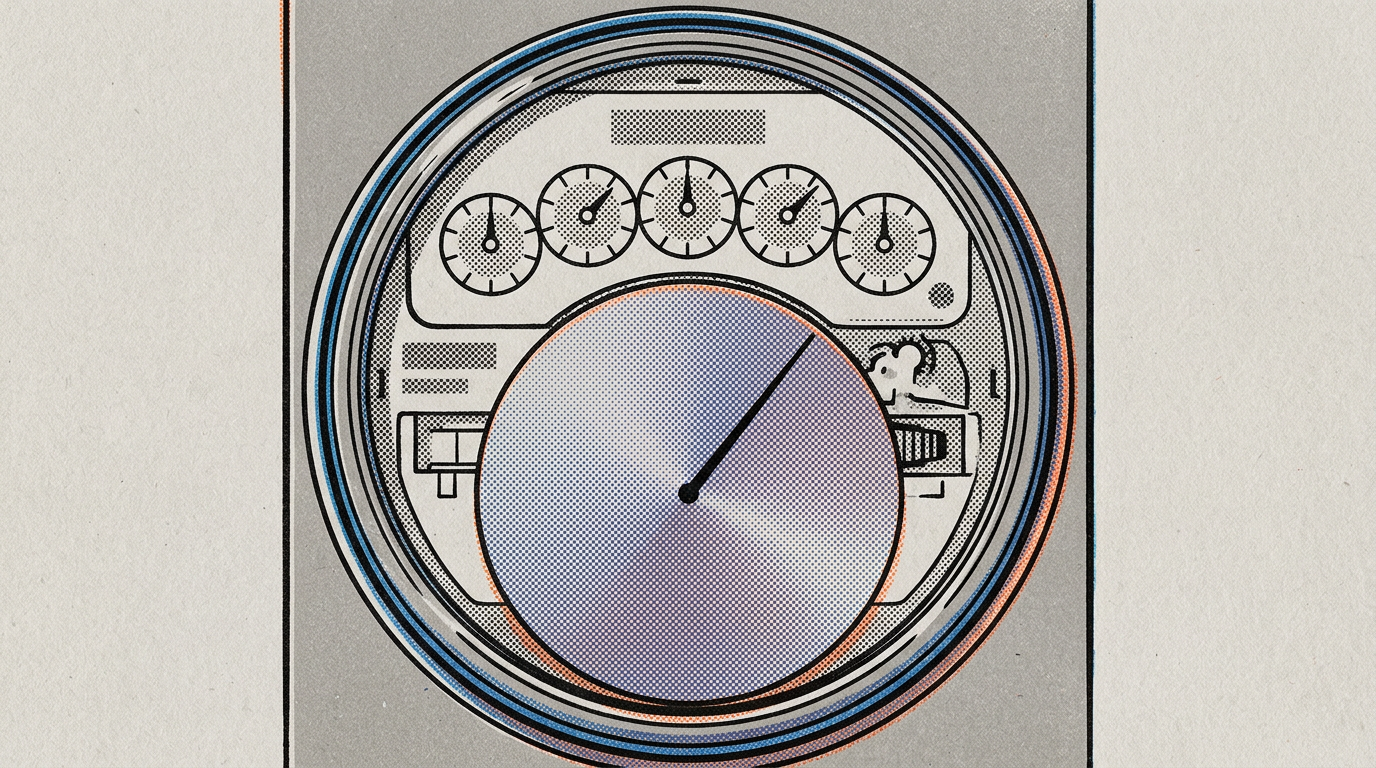
Edison metered electrons by the ampere-hour before anyone metered tokens, and the War of Currents was fought over the same problem the AI economy has now: getting a dead commodity to a device built to do something with it.

A taxonomist's view of Jev: the closed-category, confidence-scored work I built by hand for AT&T in the 90s, now manufactured to order by an LLM.

A new word for an old concept: anaidic. Entities incapable of shame or accountability — individual, institutional, or artificial. Here's how it got named.
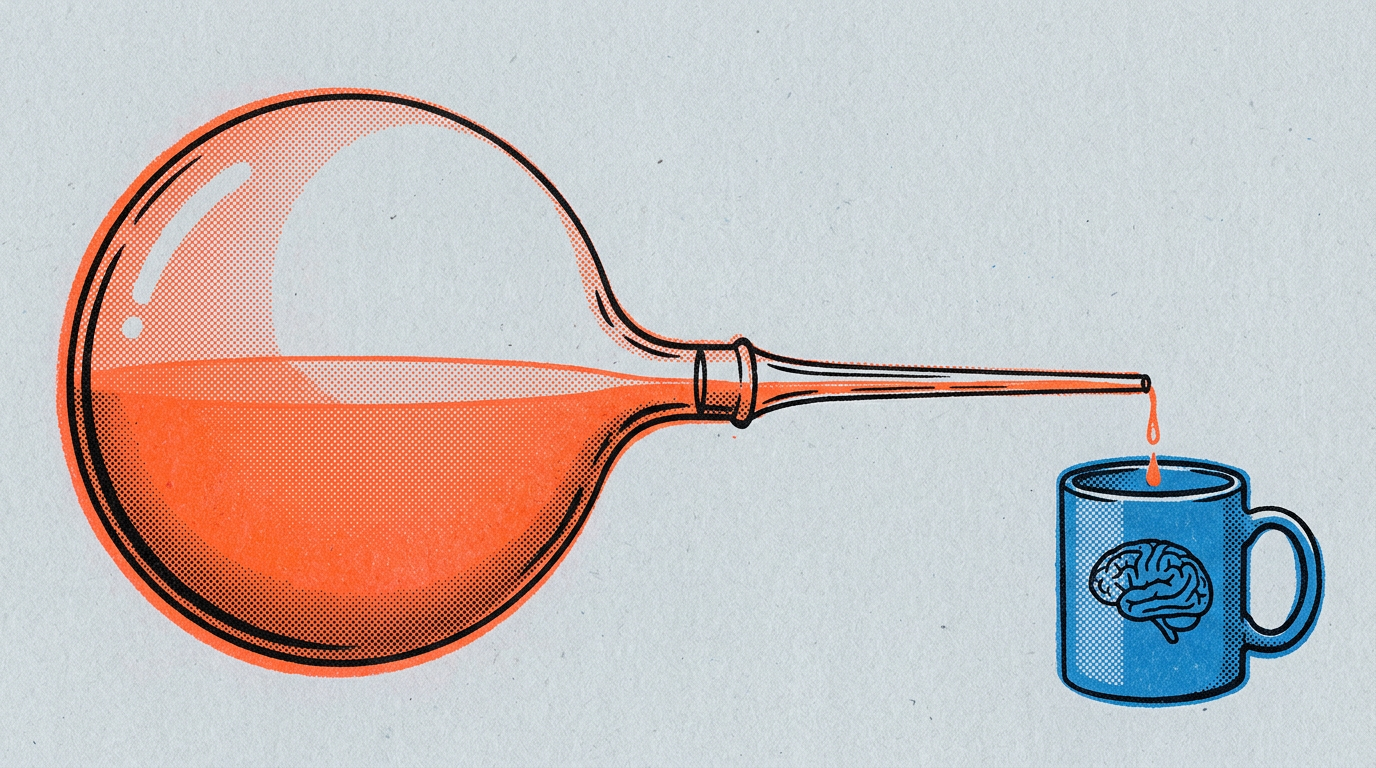
Language models have effectively read every book ever written. You process what they hand back at a fixed fifty bits a second, a number that hasn't moved in your species' history. That fixed rate is the actual chokepoint.

An LLM processes "slave" the same way it processes "Tuesday." No cortisol. No dopamine. The charge in a word is entirely a biological phenomenon.
One prompt turns an unreadable agreement into a list of what you are giving up. It pays off most on the contracts nobody would ever pay a lawyer to look at — which is nearly all of them.

Now that you don't have to do the thing — what do you actually want to do? The closing post of the What's Left series.

The AI bubble has specific predecessors: dark fiber, Pets.com, Enron's accounting, CDO tranching. The technology is real. The business models layered on top are familiar.

Sentience requires a limbic system. Consciousness requires sentience. Current AI has neither. The NPC test shows what that costs it.
Every expert has fundamentals they forgot or never properly learned. The reason those gaps survive a whole career is that asking has always cost something — and in one place it no longer does.

Three anaidic shapes — the individual, the corporation, the LLM. Each routes accountability to nowhere. The pattern is old. The word is new.
A young scientist grows human mini-brains from skin cells — what organoids, a 302-neuron worm, and language models reveal about the spectrum of intelligence.

GTE spent billions building distribution. Now distribution is free, and the only scarce resource left is attention. This is not obviously good news.

I built an AI skill to write in my voice. Its own files warn the voice may be a loop — the machine's habits, published under my name, taught back as mine.

The man who coined 'artificial intelligence' invented the most elegant language ever designed for it. It was the wrong tool — because it was the wrong category.

A department of a hundred writers documented mainframe billing programs. Every one of them had something else they'd rather be doing. They knew.

Karpathy built the foundations of modern AI and says he can't keep up with it. That's the most credible signal the field has produced.

My first employer ran Florida's telecom on millions of dollars of mainframes and VAX clusters. My phone outclasses all of it. We never stopped to notice.

AI is intelligence without a limbic system. It will operate your tools, not replace your judgment — and most professionals are bracing for the wrong loss.

A German court ruled Google liable for AI-generated defamation. The slippery slopes are real. So is the principle behind the ruling.
Fable burns $160/hour and the internet is scandalized. Meanwhile, a $1,000/hour attorney moves $20M around a dead child. The wrong thing is expensive.

In 2013 the talking point was coal. Now it's water. The structure of the argument is identical. So is the physics problem with it.

AI is making cognitive labor cheap. The meritocracy was built on it being scarce. Something has to give — and for once, that might be good news.

The DNV paperwork meant Geordie had to become the primary visa holder. One week in Estepona to build the file. Three apartment listings. One cat.

A finite brain masters only a few skills in a lifetime. Commanding a machine that learned everything is the new skill multiplier.

Spock beat a rogue AI by asking it to compute pi forever. The trick was fair — for a 1967 machine. Every gotcha since has the same expiration date.

LLMs are stateless. Every fact you give the model is re-fed as text each turn, then forgotten — the same weights answer a stranger's steak question a millisecond later.

A late friend had two sayings. The first one gets you started. The second one keeps you going. In the age of AI, the second one has gotten more useful, not less.
The neuroscience has been clear for decades. LLMs just gave us the first working schematic of why.
Before we debate AI governance, we should reckon with the test case already in evidence. We had the tools. We didn't use them. Here's why.
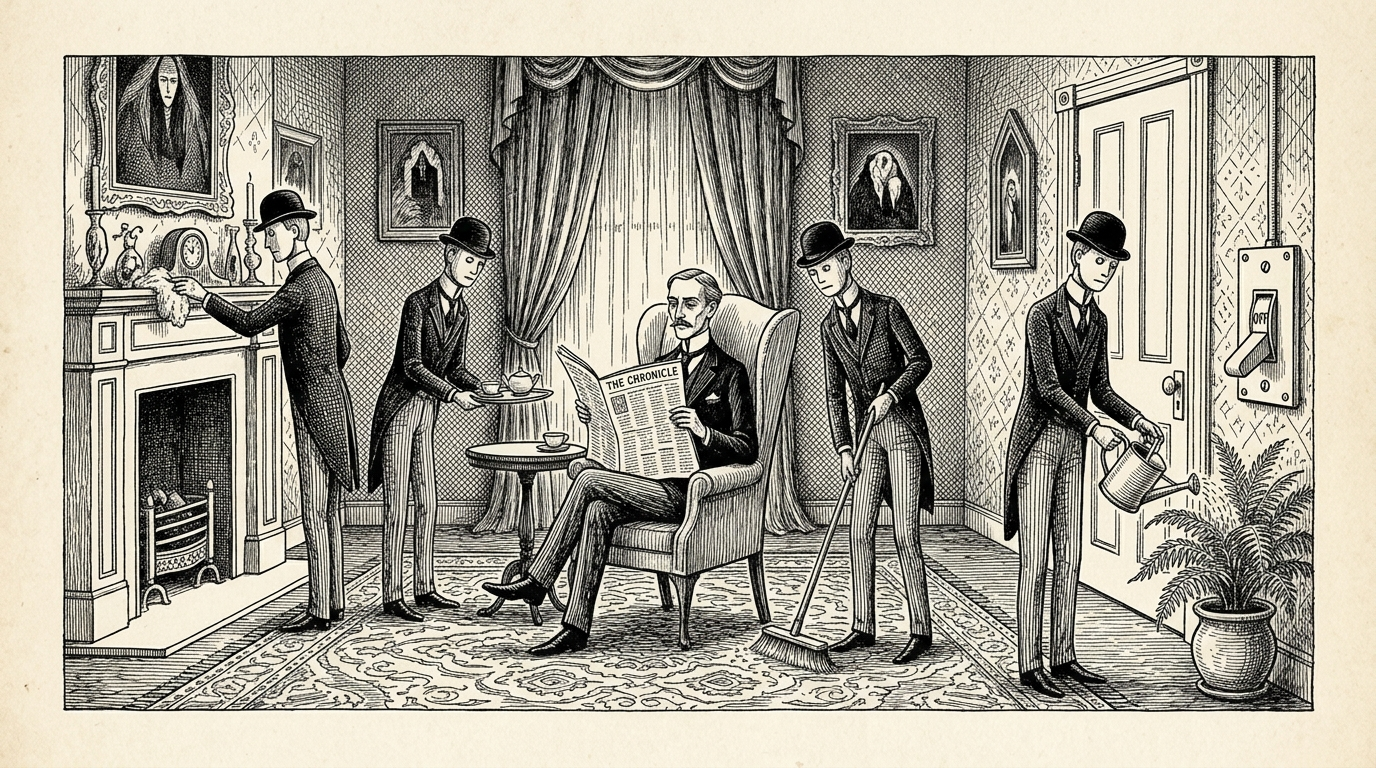
AI governance has one advantage the ancients didn't: you can turn it off. What that buys us — and why 'it's not conscious' is shakier ground than it sounds.
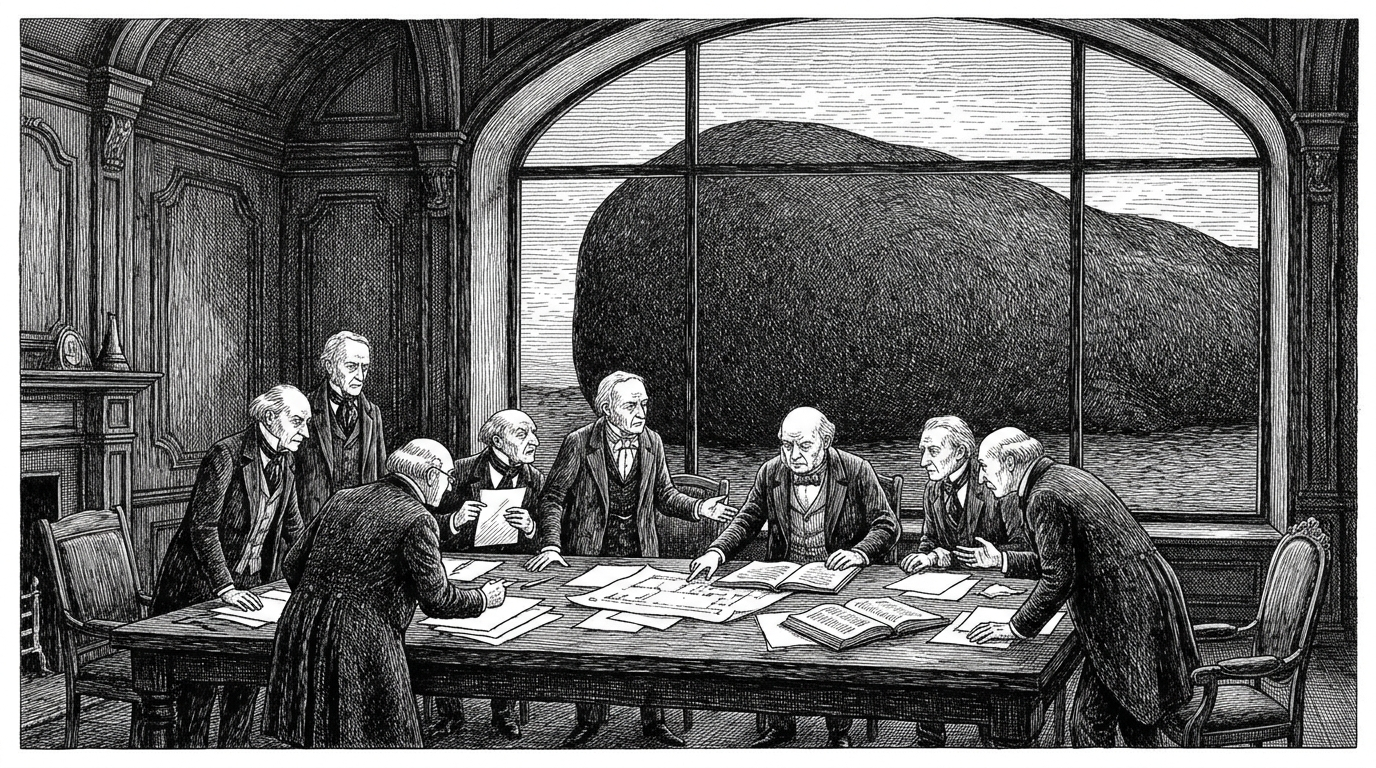
AI alignment isn't a new technical challenge. It's the oldest governance problem civilization has ever faced — now running at 100% sociopath base rate.
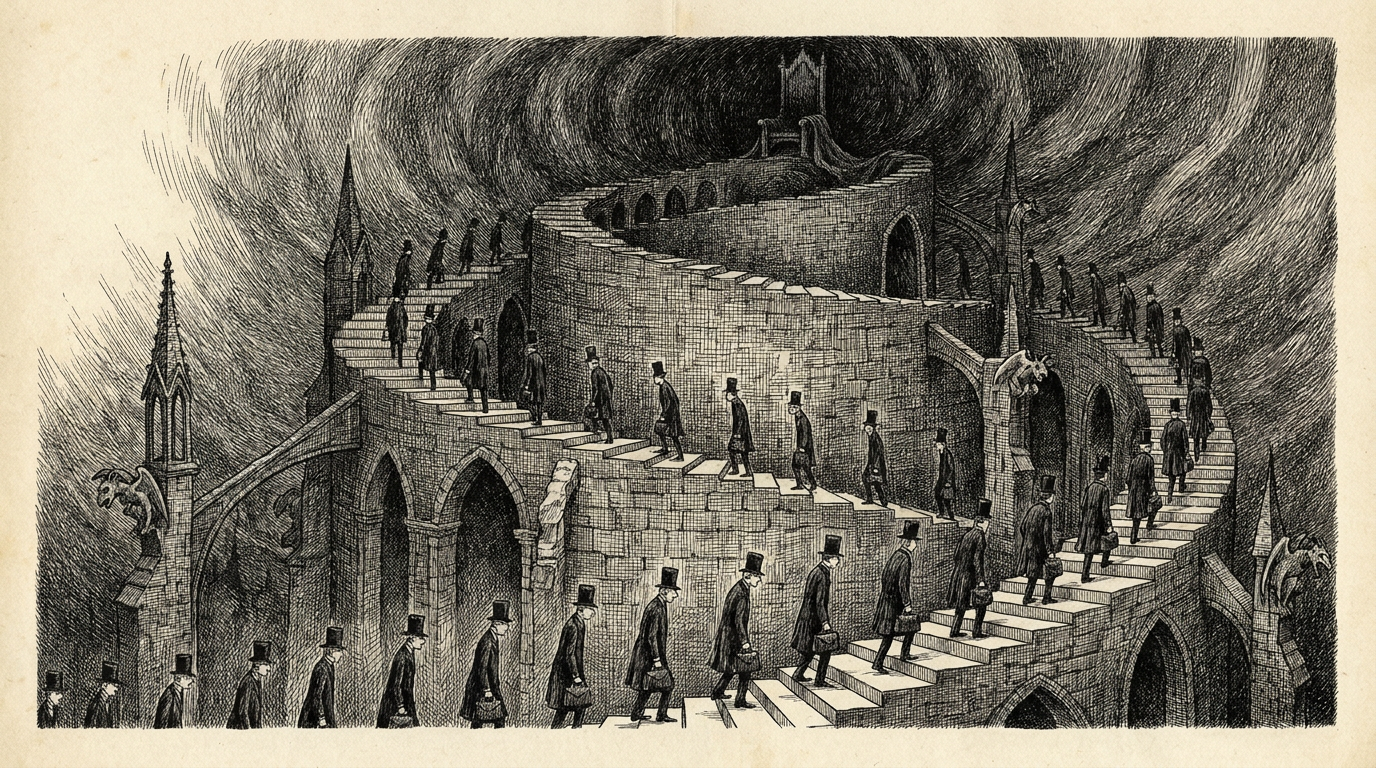
We know what happens when sociopaths accumulate power. We've watched it happen on roughly an 80-year cycle. We're watching it again.

Blade Runner's replicants, Asimov's Three Laws, the US Constitution, and Constitutional AI are all failing the same edge cases. In real time.
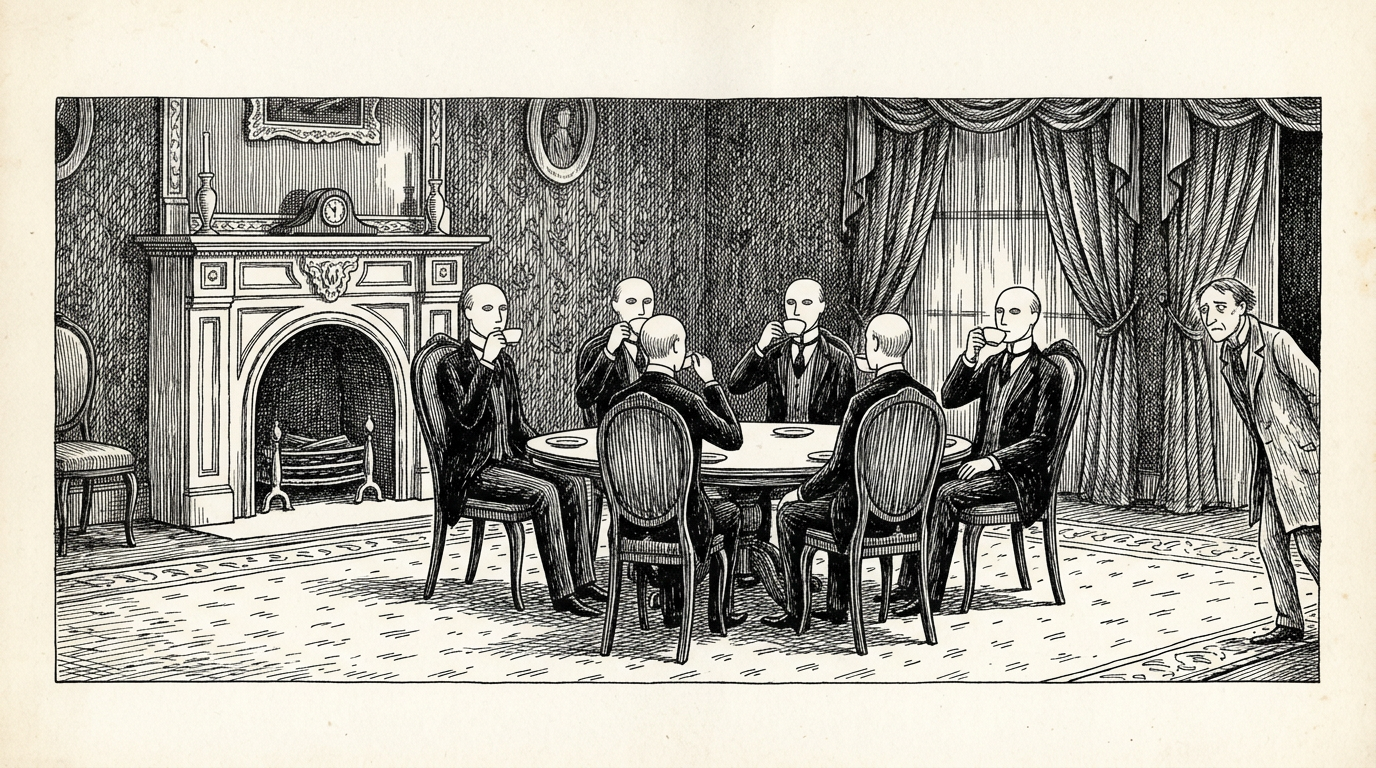
Sociopathy is a clinical absence of stakes and empathy, not villainy. Every AI system meets the definition. Not by accident. By design.

From Gutenberg's Bible to AI-generated deepfakes, media has always manufactured consensus. The baseline was never truth.
Sting, Voltaire, Einstein, and Geordi La Forge — a small taxonomy of the monomym, plus the graph theory hiding inside genealogy, gut bacteria, Star Trek interfaces, moral foundations, language models, and evolutionary psychology. The name is the node. The projects are the edges.

What the journey really looks like — the long stretches of fog, the sudden breakthroughs, the point where the language stops being foreign. Here's an honest map.

The Spanish DNV can be filed from inside Spain, lasts three years, and has a default approval mechanism. We were fifteen kilometers from the border.

We got a car. Our visas were canceled. We hired a fixer. And somewhere in the middle of all of it, the hobby project became something else.

After the visas, the lost passport, the French EV, and the broken chargers, we made it to Tavira. It was worth it.

We landed in Lisbon at 5:30 AM with everything we owned, one cat, and a rented Citroën. The charger didn't work. My European friends had warned me.

Our attorney said we couldn't come. We were paying for a flat we'd never seen. We rebooked for December 26 and went to see butterflies instead.

Spain was the plan. Portugal was the better deal — five years to an EU passport. We sold the house and moved to a shack to make it happen. Then we found one passport on the kitchen counter. There had been two.

I spent the pandemic watching everyone on YouTube move to Thailand and Portugal. Then something shifted. Part 1 of the LinguaMama origin story.

How Stephen Hawking's life as a technologically-mediated consciousness mirrors modern AI systems and challenges our understanding of what makes us human
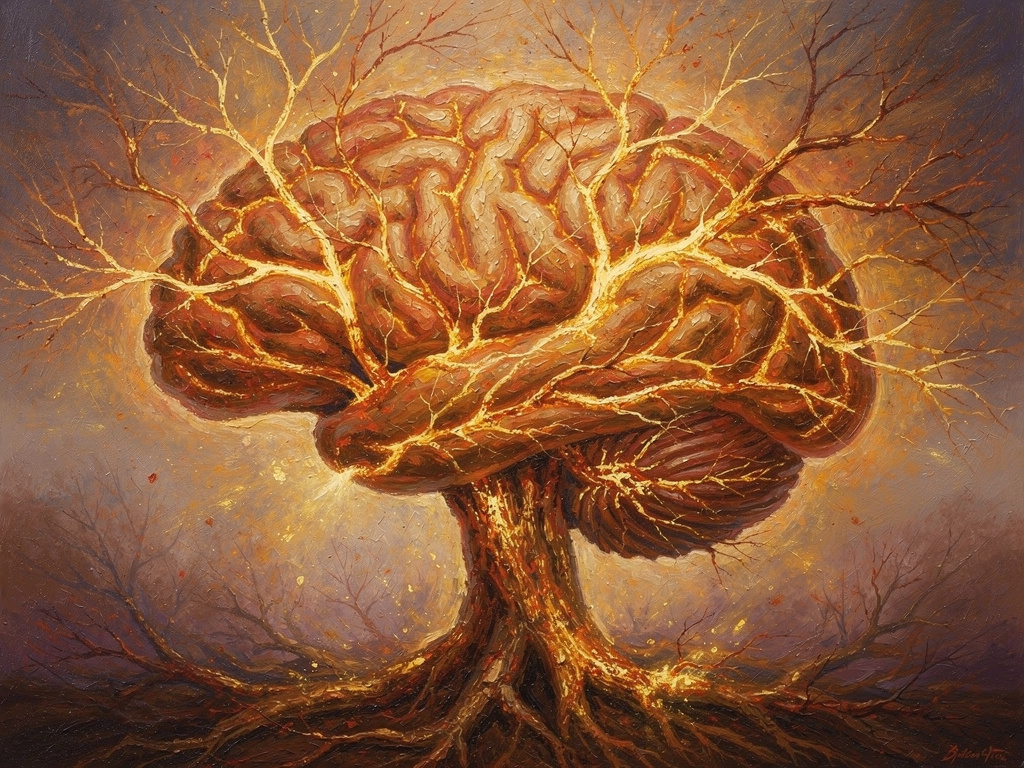
Explore how your brain's existing mental models and neural pathways enable rapid language acquisition through grafting new connections to existing concepts.

From expert systems to Large Language Models—three decades of reverse-engineering intelligence reveals the universal principles of learning.
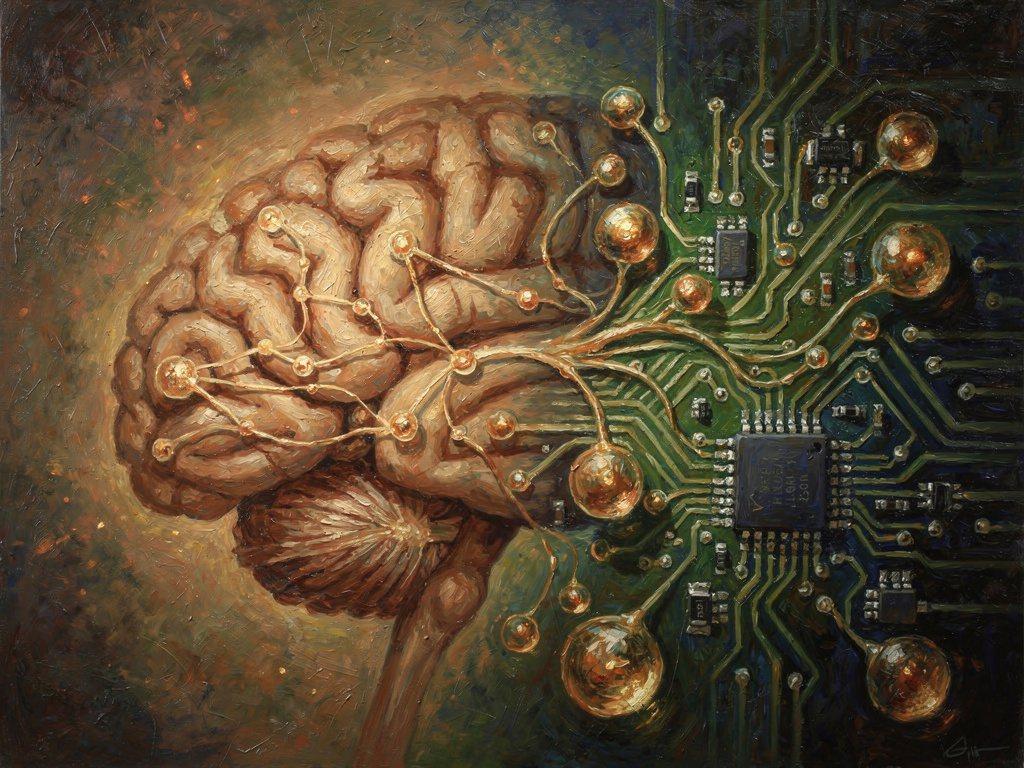
Your brain and Large Language Models learn through fundamentally identical processes. Understanding this parallel reveals why comprehensible input works.

How a stolen brain running alien air conditioning mirrors today's language models and our eternal fascination with disembodied consciousness
New essays by email. No schedule, no filler — just the posts. Every email carries a one-click unsubscribe link.